

The sales kickoff is the one meeting of the year where leadership has the entire revenue team in one room, at the exact moment the new targets land. Done well, it sends people home aligned, energized, and clear on how they're going to hit their number. Done badly, it's three expensive days of slides in a windowless ballroom that everyone has forgotten by February. The difference is rarely the budget. It's the planning — and for a January or February kickoff, that planning window is closing right now.
Here's the short version: if your kickoff is in the first quarter of 2027, the two things to lock first are your hotel room block and your general session space, ideally as one package. Everything else — production, the awards night, team activities — builds around those two decisions. Below is how we approach a Miami sales kickoff, from the first venue call to the last airport transfer.
Miami sales kickoff at a glance
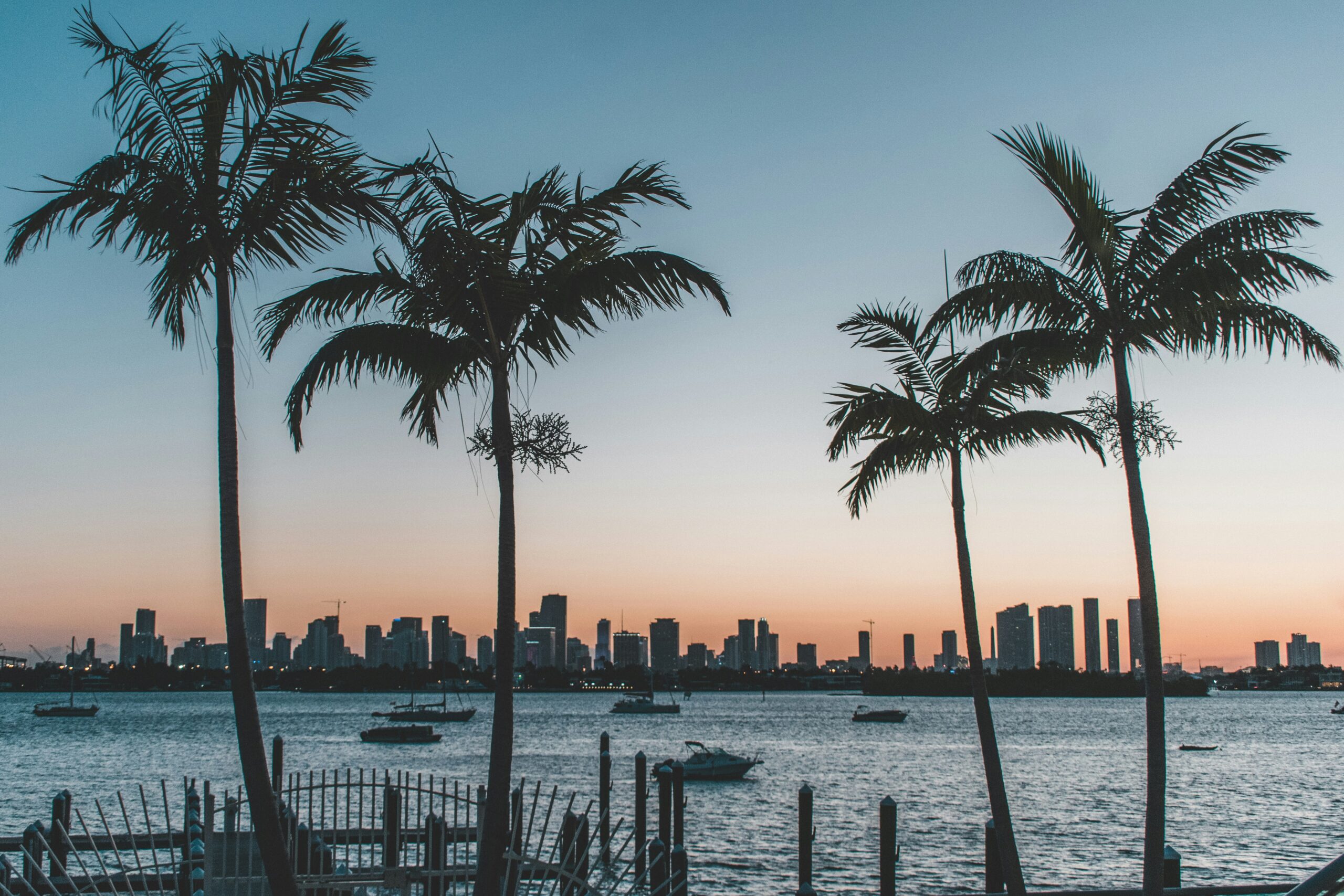
Why Miami works for a sales kickoff
Timing is the obvious advantage. When most of your team is flying in from cold-weather cities in January, a few days of sunshine is a reward in itself — it changes the mood in the room before the first session even starts. But the practical reasons matter just as much.
It's easy to get to. Miami International is a major hub with direct service across the US, Latin America, and Europe, which matters when your sales organization spans regions. Fort Lauderdale adds a second airport option for domestic arrivals.
The venue range is genuinely wide. From resort properties with large ballrooms and outdoor event lawns to Brickell and Downtown hotels built for conferences, you can match the venue to the tone you want — polished and corporate, or relaxed and celebratory. (Our guide to the best corporate event venues in Miami breaks this down by event type.)
The evenings take care of themselves. Waterfront dinners, rooftop receptions, and private buyouts give you options for the awards night and team events that are hard to match in most conference cities.
It works for international and Latin American teams. For sales organizations with LATAM or European regions, Miami is a natural meeting point — and our team works in English, Spanish, and French, so international attendees and regional leaders are supported in their own language.
The four jobs every sales kickoff has to do
Before talking about venues or agendas, it helps to be clear on what the event is actually for. A strong kickoff does four things — and every planning decision should serve at least one of them.
- Align. Everyone leaves knowing the targets, the strategy behind them, and what's changed from last year — territories, products, comp plans, priorities.
- Enable. Practical training reps can use on Monday morning: new product positioning, objection handling, deal reviews, tools. This is where breakouts earn their place.
- Recognize. Celebrating last year's top performers in front of their peers is one of the most motivating moments of the year. The awards night deserves real production, not a slideshow after dessert.
- Connect. For remote and distributed teams especially, this may be the only time reps meet their colleagues in person. Unstructured time together is not wasted time — it's where cross-team relationships are built.
A sample 3-day kickoff agenda
Every organization is different, but most successful kickoffs follow a similar rhythm: arrive and connect, go deep on the content, then celebrate and send people home on a high.
Day 1 — Arrivals & welcome
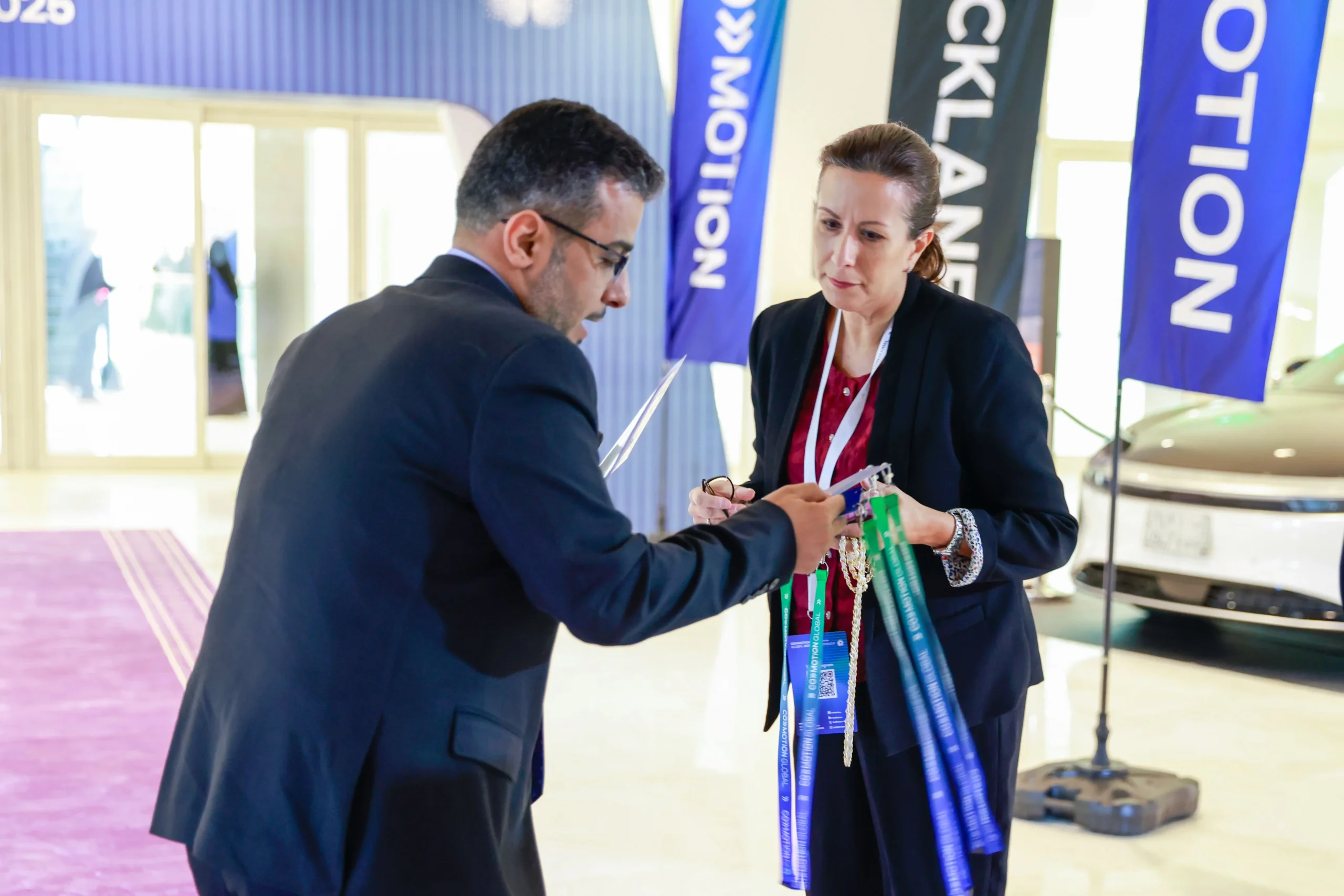
Staggered arrivals through the afternoon with airport transfers and a smooth hotel check-in. Registration and badge pickup, then a welcome reception in the evening — outdoors if the venue allows. Keep it relaxed: the goal is reconnection, not content.
Day 2 — General session & breakouts
The core of the event. Leadership opens with the year's vision and targets in the general session, followed by product, customer, and strategy sessions. Afternoon breakouts by region or role. In the evening: the awards dinner — the moment people will talk about long after the slides are forgotten.
Day 3 — Enablement, team activity & departures
A morning of hands-on workshops, then a shorter closing session to send everyone out with clear commitments. If schedules allow, an afternoon team-building activity before staggered departures and airport transfers.
Planning in November for January? Lock these five things this week
If your kickoff is eight to ten weeks out and nothing is under contract yet, it's still very doable — but the order of decisions matters. This is the sequence we follow.
- Confirm headcount and a date range — not a single dateA realistic attendee estimate and two or three possible date windows give you far more negotiating power with hotels than one fixed weekend. Mid-week dates are often easier to secure than weekends in high season.
- Secure the hotel block and the general session space together — through your plannerHotels price meeting space against the rooms you bring, so the block and the ballroom should be negotiated as one package, by someone who negotiates group contracts every week. Talk to your planner before you contact hotels yourself: once a hotel has logged your group as a direct inquiry, it becomes much harder for anyone to step in and negotiate on your behalf.
- Book your AV and production partner earlyStaging, screens, lighting, and sound for a general session are often the biggest budget surprise of a kickoff — and the best production teams in Miami are booked solid in Q1.
- Choose the awards night venueDecide whether it stays on property or moves to an off-site restaurant, rooftop, or private buyout. Off-site adds atmosphere — and transportation logistics, which need to be planned at the same time.
- Open registration and start the travel manifestCollect arrival and departure details, dietary needs, and rooming preferences in one place from day one. It's the data that drives your rooming list, transfers, and catering counts.
Watch for Miami's high-season compression
January through March is Miami's busiest season. Major city-wide events — the Miami International Boat Show and the South Beach Wine & Food Festival in February, for example — tighten hotel inventory and push rates up across the city. Check the event calendar before you commit to dates, and stay flexible: shifting your kickoff by one week can make a meaningful difference in both availability and price.
Hotel room blocks: the contract terms that matter
The hotel contract is usually the largest financial commitment of a kickoff, and the terms that matter most are rarely on the first page. These are the clauses we negotiate on every group contract — and why each one matters to you.
Attrition
The percentage of your room block you're financially committed to, even if attendees don't book. If your headcount is uncertain, negotiate a lower commitment or a block that can be reduced by a set date — before you sign, not after.
Cutoff date
The date after which unbooked rooms return to the hotel's general inventory and your group rate is no longer guaranteed. Late registrants can find themselves paying full rate — or with no room at all — in peak season.
Food & beverage minimum
Most hotels tie meeting space to a minimum spend on catering. Know the number, know what counts toward it (and whether service charges and tax do), and plan your menus to meet it rather than exceed it by accident.
Concessions
Complimentary rooms based on room nights booked, upgrades for executives and speakers, waived resort fees, reduced meeting room rental, Wi-Fi in session rooms — these are all negotiable. Ask for them in writing, upfront.
This is why we recommend signing your group's hotel contract through Event More rather than directly with the hotel. As an IATAN-accredited travel agency as well as an event production company, we contract your room block and negotiate every clause above on your behalf — then manage the rooming list, track the cutoff date, handle name changes, and coordinate ground transportation and your group's arrival experience, from airport greeting to welcome kits. You get one point of contact and a team whose job is to protect your budget, not the hotel's. Your travel team books the flights; we take care of everything from the moment your team lands. (See our destination management services for more.)
What drives the budget
Sales kickoff budgets vary widely with headcount, venue tier, and production ambitions, but the main drivers are consistent: the hotel block and meeting space, food and beverage, general session production, the awards night, and ground transportation. For real per-attendee ranges and how a typical Miami corporate event budget breaks down, see our 2026 Miami corporate event pricing guide.
One piece of advice we give every client: decide early where you want to spend and where you want to save. A strong general session and a memorable awards night are where the investment shows. Coffee breaks and lanyards are not.
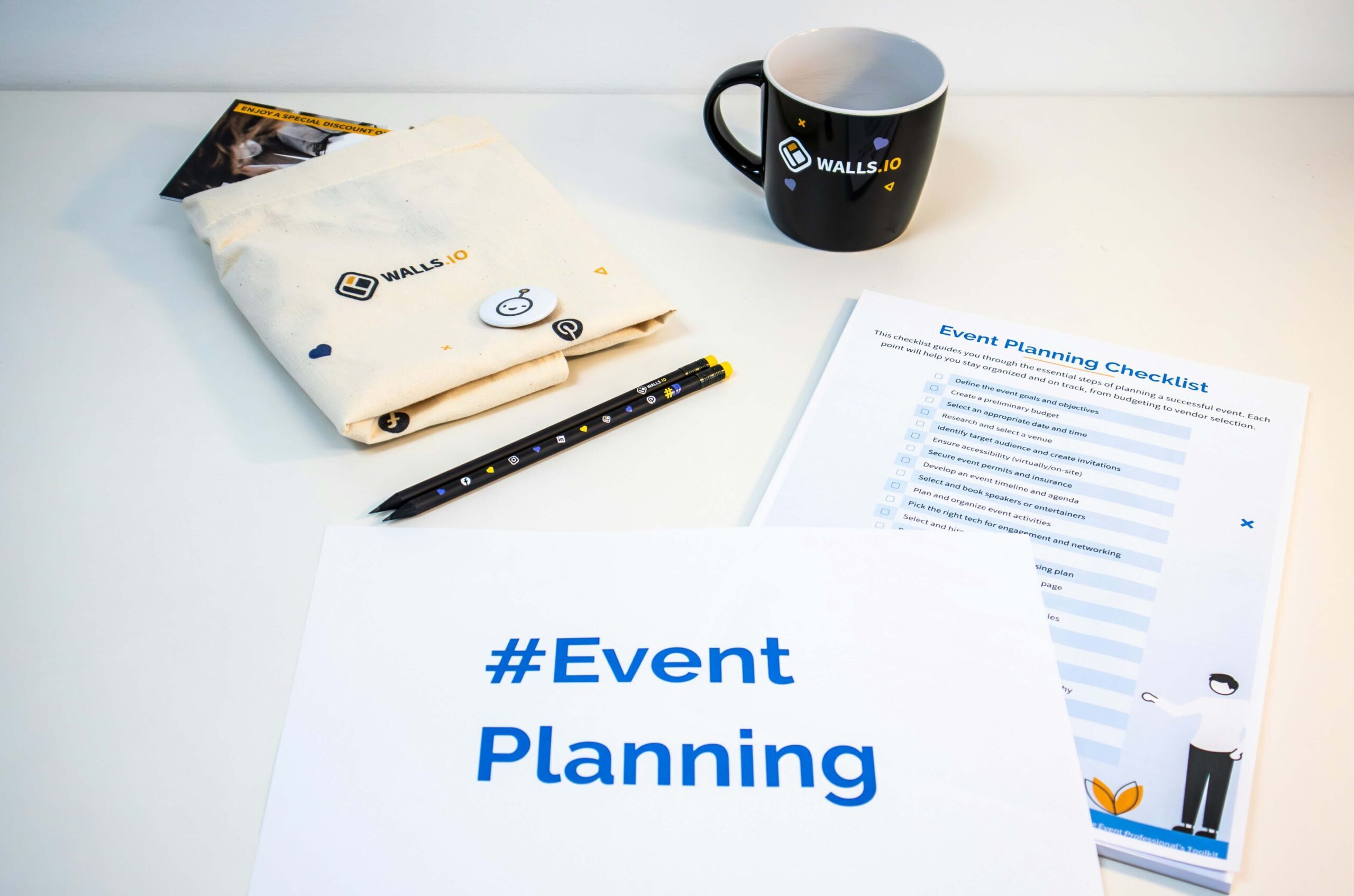
Free download: the corporate event planning checklist
50 things to do before your next corporate event — from strategy to final applause. Used by event planners across Miami, New York, and LA.
Read the checklist →Sales kickoff FAQs
How far in advance should we plan a sales kickoff in Miami?
Ideally four to six months ahead, especially for January through March, which is Miami's peak season. Eight to ten weeks is tight but workable if you stay flexible on dates and lock the hotel block and general session space first.
What's the best time of year for a sales kickoff in Miami?
January and February are the most popular — they align with the start of the sales year and Miami's dry, mild winter. Late January and early March can offer better availability than mid-February, when several major city-wide events take place.
How long should a sales kickoff be?
Most run two to three days: an arrival and welcome day, a full day of general sessions and breakouts with an awards dinner, and a half or full day of enablement before departures.
Should we sign the hotel contract ourselves or through Event More?
Through Event More. As an IATAN-accredited travel agency, we contract and manage your hotel room block — negotiating attrition, cutoff dates, food and beverage minimums, and concessions on your behalf — and coordinate ground transportation and arrivals for your group. Reach out before contacting hotels directly so we can represent your group from the first inquiry. Flights are booked by your own travel team or agency.
Severine Meimoun
Founder & CEO, Event More · Corporate Event Planner Miami
Severine is a French-born corporate event strategist with 25+ years of experience producing conferences, galas, incentive trips, and leadership retreats across Miami, New York, and Los Angeles. She founded Event More in 2018 with a mission to bring European precision and warmth to the US corporate events market. Event More is WBENC-certified and women-owned.
Planning a 2027 sales kickoff? Tell us your headcount, your dates, and what success looks like. We'll come back with venue options, a room block strategy, and a realistic plan — even if January is closer than you'd like.
Request a consultationYou can also explore our conference planning services.