
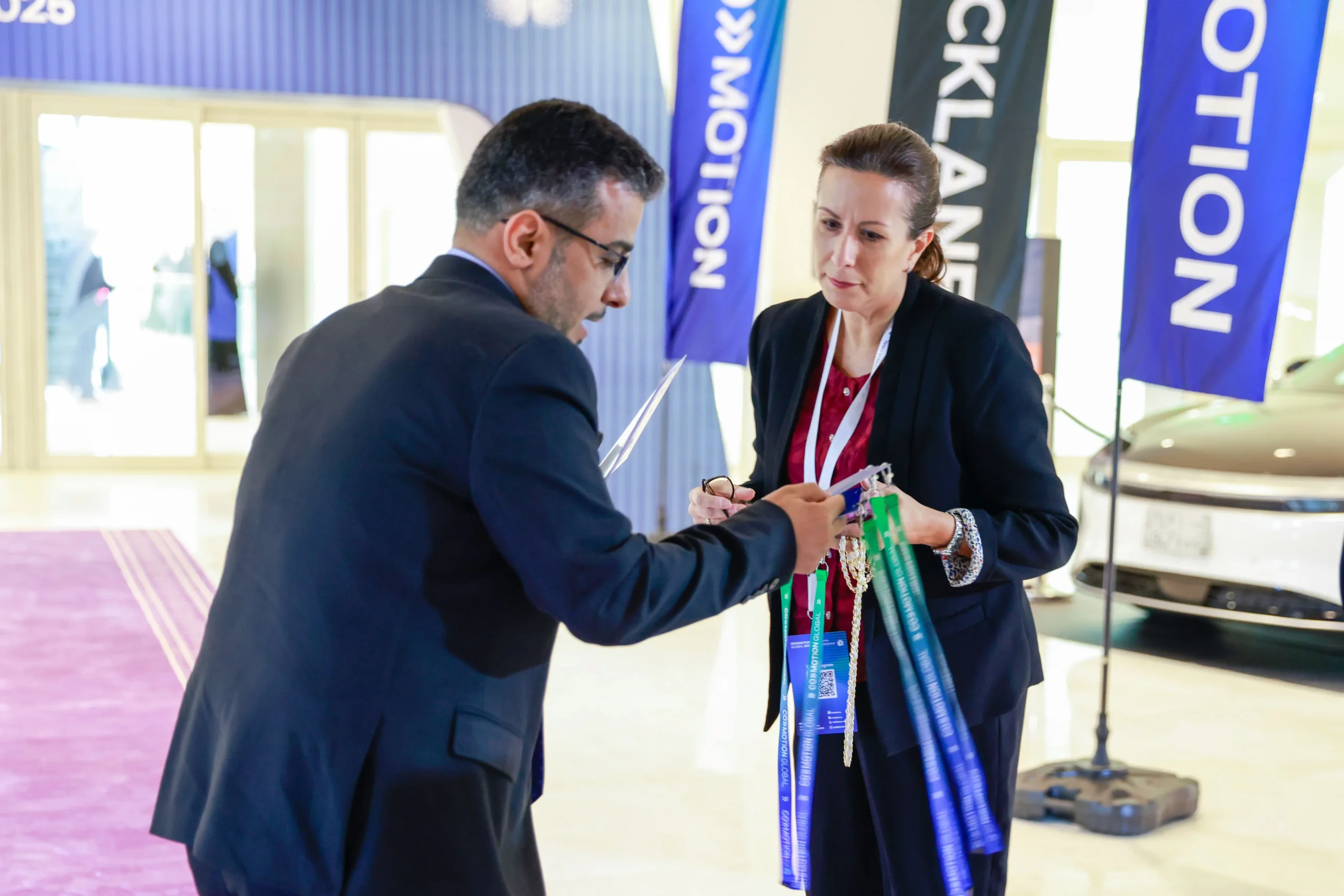


A successful corporate event feels effortless because every decision was made before guests arrived. This corporate event planning checklist organizes 50 essential tasks into six practical phases. Use it to align your team, protect the budget, reduce last-minute surprises, and deliver an experience that supports clear business goals.
How to use this corporate event planning checklist
Start with the event objective, then work forward in order. Assign one owner and one due date to every item. Review the plan weekly at first and more often during the final month. If you need hands-on support, explore Event More’s corporate event planning services or schedule a free discovery call.
Phase 1: Define the event strategy
Strong events begin with a clear reason for bringing people together. Before comparing venues or vendors, confirm these eight fundamentals:
- Define the primary objective. Choose one measurable outcome, such as training, recognition, networking, sales alignment, or lead generation.
- Identify the audience. Note who will attend, what they value, and what could prevent them from participating.
- Set success metrics. Select practical measures such as registrations, attendance, qualified meetings, survey scores, or employee engagement.
- Confirm the event format. Decide whether the experience will be in person, virtual, or hybrid.
- Build the core planning team. Assign decision-makers for content, operations, marketing, finance, and executive approvals.
- Create a working budget. Include venue, food and beverage, production, transportation, staffing, décor, insurance, taxes, and contingency funds.
- Select target dates. Check internal calendars, major holidays, citywide conventions, and seasonal pricing before committing.
- Write a concise event brief. Summarize the objective, audience, tone, budget, dates, and approval process on one page.
Phase 2: Secure the destination and venue
The venue shapes cost, logistics, and the guest experience. Evaluate the full program instead of choosing a property only for its appearance.
- Choose the destination. Compare air access, hotel inventory, local transportation, weather, and guest appeal.
- Estimate attendance. Create realistic minimum, target, and maximum headcounts.
- Prepare a venue request. Share room sizes, dates, schedule, catering needs, production requirements, and guest-room estimates.
- Compare total costs. Review service charges, taxes, labor rules, internet, power, parking, and mandatory vendors.
- Walk the guest journey. Check arrivals, registration, session flow, restrooms, meals, accessibility, and departure routes.
- Confirm production access. Verify loading docks, freight elevators, rigging limits, power, ceiling height, and setup windows.
- Review the contract carefully. Understand deposits, cancellation terms, attrition, force majeure, insurance, and payment dates.
- Hold backup options. Create weather plans and alternative spaces before signing.
For Miami programs, our guide to the best corporate event venues in Miami can help you build an initial shortlist.
Phase 3: Design the program and experience
Next, turn the event objective into a clear agenda. Every session and activity should earn its place.
- Draft the event agenda. Balance presentations, breaks, meals, networking, and movement between spaces.
- Confirm speakers and facilitators. Document topics, timing, travel, contracts, and technical requirements.
- Create a content plan. Set deadlines for presentations, videos, scripts, signage, and speaker introductions.
- Plan audience participation. Add questions, workshops, demonstrations, or structured networking where they support the goal.
- Design the visual identity. Apply the brand consistently across invitations, registration, signage, slides, staging, and digital screens.
- Select entertainment thoughtfully. Match the audience, venue, schedule, and cultural expectations.
- Develop food and beverage service. Consider program timing, dietary needs, sustainability, and service speed.
- Plan accessibility from the start. Address routes, seating, captions, dietary needs, readable materials, and accommodation requests. The official ADA National Network guide to accessible events is a useful reference.
- Create a guest communication timeline. Schedule save-the-dates, invitations, confirmations, reminders, and arrival details.
Phase 4: Coordinate vendors and logistics
Reliable logistics keep the creative plan on schedule. Centralize vendor details so the team works from one source of truth.
- Select qualified vendors. Compare experience, scope, references, insurance, staffing, and response times.
- Document every scope of work. List deliverables, deadlines, access times, fees, and the person responsible for approval.
- Build the production plan. Confirm audio, lighting, video, internet, staging, power, show calling, and technical rehearsals.
- Create the floor plan. Include seating, stage sightlines, registration, catering, emergency exits, accessibility, and sponsor areas.
- Plan transportation. Map airport arrivals, shuttles, parking, executive movements, and late-night returns.
- Manage hotel accommodations. Track room blocks, cutoff dates, VIP needs, upgrades, and attrition exposure.
- Prepare registration. Decide how guests will register, receive credentials, update details, and request support.
- Confirm permits and insurance. Check venue, city, entertainment, alcohol, fire, and liability requirements.
- Maintain a risk register. Record each risk, its likelihood, impact, owner, and backup plan.
Programs with complex local logistics may benefit from a destination management company in Miami that already knows the market and vendor landscape.
Phase 5: Prepare the final month
During the final weeks, replace assumptions with written confirmations. Short, focused check-ins help the team solve issues early.
- Freeze major program decisions. Set a deadline for changes that affect cost, staffing, or production.
- Finalize attendance numbers. Reconcile registrations, hotel rooms, meals, transportation, and special requests.
- Create the master run of show. Record every cue, movement, announcement, technical change, and responsible person.
- Distribute contact sheets. Include key staff, venue teams, vendors, speakers, transportation, and emergency contacts.
- Hold a production meeting. Walk through the schedule, floor plans, deliveries, access rules, and escalation process.
- Confirm all payments. Review due dates, credit limits, purchase orders, tips, and on-site spending authority.
- Prepare event materials. Print credentials, signage, scripts, seating charts, menus, and backup copies.
- Brief speakers and executives. Share arrival times, stage directions, talking points, rehearsal details, and on-site contacts.
Phase 6: Execute, close, and measure
On event day, the planning team should protect the guest experience while quietly managing details behind the scenes.
- Complete a venue walkthrough. Check every guest-facing space before doors open.
- Run the technical rehearsal. Test microphones, videos, presentations, lighting, walk-on music, and backup files.
- Open registration early. Give the front-of-house team time to solve credential or guest-list issues.
- Track decisions and incidents. Keep a simple log for follow-up and future planning.
- Manage the strike safely. Confirm vendor checkout, equipment removal, venue sign-off, and lost items.
- Reconcile the budget. Review final invoices, credits, damages, overtime, and remaining commitments.
- Collect feedback. Survey guests, speakers, stakeholders, vendors, and the internal team while details remain fresh.
- Report results. Compare outcomes with the original metrics and document lessons for the next event.
Turn the checklist into a confident event plan
A checklist creates structure, but experienced judgment keeps the plan realistic. Event More supports conferences, meetings, galas, retreats, incentive programs, team building, and destination events. Review our corporate event case studies to see how planning decisions translate into real programs.
Ready to plan your next event? Contact Event More to discuss your goals, dates, audience, and destination.